
.svg)


Epoxy floor coatings are known for their durability, clean appearance, and long lifespan—but even the best coatings can fail if applied over a moisture-compromised slab. One of the biggest (and most overlooked) steps in a successful epoxy installation is checking for—and applying—a moisture vapor barrier.
At DFW Flake & Epoxy Floor Coatings, we’ve seen it all. In this blog, we’ll explain what moisture barriers are, why they matter, and how to ensure your garage, patio, or commercial epoxy floor stands the test of time.
A moisture barrier (also called a vapor barrier) is a special epoxy primer that prevents moisture vapor from moving up through the concrete slab. Even if your floor appears dry, water vapor can travel through the porous concrete, leading to:
✅ Bottom Line: Moisture vapor can ruin even the highest-quality epoxy if not controlled first.
In Texas, slab-on-grade construction is common, especially for garages and patios. That means your concrete sits directly on top of the soil—and without proper sealing, ground moisture can migrate through the slab over time.
Add in heavy summer humidity, shifting soil, and seasonal rain, and you have a recipe for moisture problems.
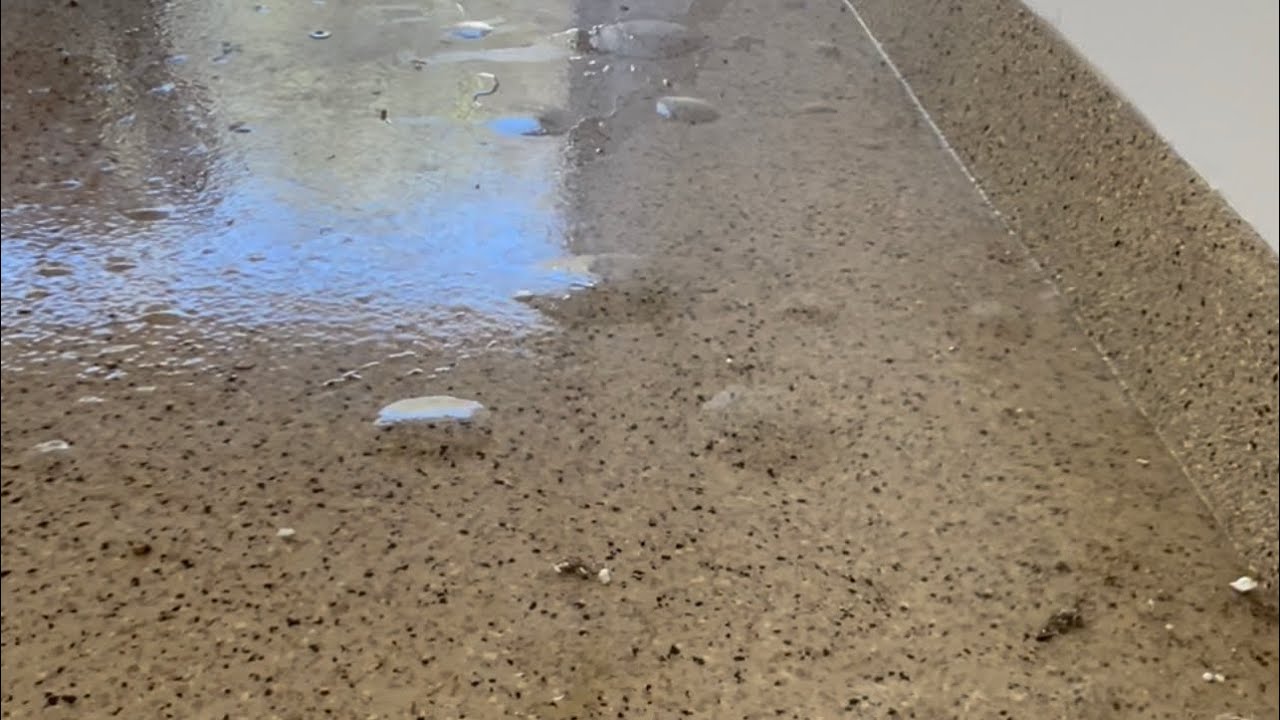
Before applying any coating, your installer should perform a moisture test (like a calcium chloride or relative humidity test). But even without one, some telltale signs include:
If your floor shows any of these symptoms, a moisture barrier is non-negotiable.
Here’s what can go wrong if you install epoxy over a slab without proper moisture control:
Epoxy failures due to moisture issues are not covered by most warranties—because they are preventable.
We take moisture seriously. For every project, we:
Whether it's a garage, patio, or commercial space, our team ensures your coating is bonded properly and built to last.

A moisture barrier isn’t just an optional upgrade—it’s often an essential step in ensuring the success of your epoxy floor. Without it, even the best-looking coatings can quickly become a costly problem.
At DFW Flake & Epoxy Floor Coatings, we do it right the first time. If you’re considering a floor coating, let’s talk about the condition of your concrete and whether a moisture barrier is necessary.
Get your free estimate today—and protect your investment from the ground up.


.svg)